Source summer sports baby boy tracksuit for retail, events, and daily wear
Find a curated selection of 30 summer sports baby boy tracksuit options from verified suppliers. Compare customization, fabric weights, and lead times to match your specific sourcing needs for toddler active wear.
Key considerations
Products List


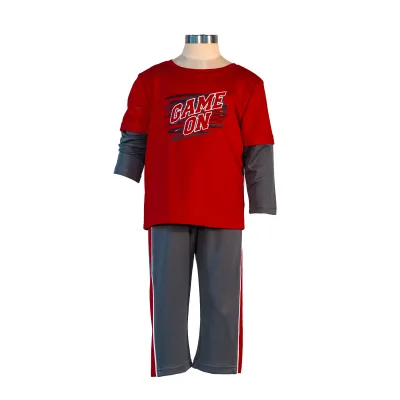


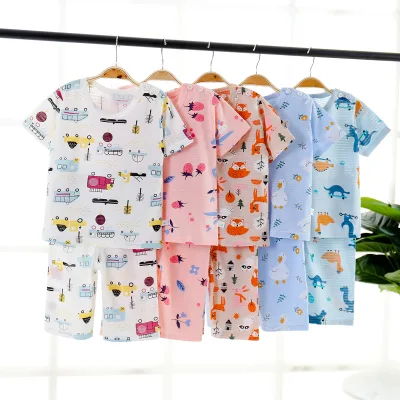
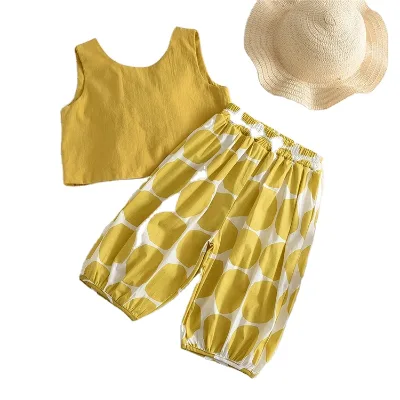


Comprehensive Sourcing Guide
Strategic Sourcing Guide for Summer Sports Baby Boy Tracksuits
Navigating the global market for summer sports baby boy tracksuits requires a precise understanding of material science, seasonal performance requirements, and the specific nuances of OEM/ODM manufacturing. For procurement professionals, the core objective is to balance comfort, durability, and safety while managing cost structures and supply chain reliability. The following guide synthesizes available market data to provide a disciplined framework for sourcing these specialized garments, ensuring that every decision is grounded in verified product attributes and industry standards rather than speculative claims.
Technical Specifications and Material Composition
The foundation of a successful tracksuit lies in its material composition and construction. For summer applications, the fabric must prioritize breathability and moisture management while maintaining the structural integrity required for active play. Market observations indicate that high-performance options often utilize a blend of Cotton and Spandex. This combination offers the softness and absorbency of natural fibers with the elasticity necessary for unrestricted movement, a critical factor for toddlers and young boys aged 2T to 5T.
In contrast, some listings highlight 100% Polyester as a viable alternative. While polyester is renowned for its durability and quick-drying properties, it is essential to verify the specific knit structure and weight to ensure it does not trap heat during summer months. The fabric weight for these garments typically ranges from 300g to 500g, with specific increments such as 300g, 320g, 340g, 360g, 380g, 400g, 420g, 460g, and 500g observed in the market. For summer sports, buyers should target the lower end of this spectrum to ensure adequate ventilation.
The design specifications for these tracksuits often include a round collar and long sleeves, which may seem counterintuitive for summer but are standard for sun protection and uniform consistency in sports. The pattern types observed include lettered designs and general patterns, allowing for customization that aligns with team branding or personal style. The product models available in the current market, such as ZM0745, ZM0743, SP-190701, SL050, SL054, SL051, SL067, SL049, and SL062, represent various configurations of these attributes. When evaluating a specific model, procurement teams must cross-reference the listed material against the intended season to avoid purchasing heavy winter-weight fabrics for summer deployment.
Compliance, Safety Standards, and Certification Verification
Safety is paramount when sourcing apparel for infants and young children. The market data highlights several potential compliance features, including OEKO-TEX certification, flame-resistance, hypoallergenic properties, and tagless label construction. However, it is crucial to treat these as observed attributes of specific listings rather than universal guarantees for all products in the category. Buyers must not assume that a product labeled "Baby Boy Sporty Tracksuit Set" automatically possesses these certifications without explicit verification.
When evaluating suppliers, the primary focus should be on confirming the actual certification status. OEKO-TEX is a recognized standard for textile safety, ensuring that the fabric is free from harmful substances. Flame-resistance is a critical requirement for children's sleepwear and activewear in many jurisdictions, though it is less common for general summer sports unless specified by the buyer. Hypoallergenic claims should be backed by test reports, and tagless labels are a significant quality indicator that prevents skin irritation, a common complaint in toddler clothing.
Buyers should request specific documentation for any claimed standard. If a supplier claims a product is OEKO-TEX Certified, the buyer must ask for the certificate number and verify it against the issuing body's database. Similarly, for flame-resistance, the specific standard (e.g., CPSC 16 CFR 1610 in the US or similar regulations in the EU) must be identified. The absence of a specific standard in the provided data means that buyers cannot assert a numerical value or a guaranteed compliance level without direct supplier confirmation. The "Customized" standard noted in the product attributes suggests that many manufacturers are willing to tailor their compliance offerings to meet the specific regulatory requirements of the buyer's target market.
Cost Drivers and Pricing Structures
Understanding the cost drivers for summer sports baby boy tracksuits is essential for budgeting and negotiation. The observed price range in the market spans from $0.50 to $25.90 USD per unit. This wide variance is driven by several factors, including material quality, order volume, customization complexity, and the specific supply type (OEM vs. ODM).
The Minimum Order Quantity (MOQ) is a significant cost driver. The market data indicates an MOQ range of 5 to 500 sets, with a specific observation of 50 sets for certain custom orders. Lower MOQs, such as 5 sets, are typically associated with higher unit costs due to the fixed overheads of setup and production runs. Conversely, larger orders allow for economies of scale, potentially bringing the unit cost closer to the lower end of the observed range.
Customization is another major factor influencing price. The availability of design files in AI, CDR, and PDF formats suggests a high degree of flexibility, but each customization layer adds to the cost. This includes custom branding, specific color selections (such as the observed red option), and unique pattern types like lettered designs. The supply type, described as "OEM/ODM Customized" or "Oem Service," implies that the manufacturer is involved in the design or production process, which can increase costs compared to buying off-the-shelf inventory.
Additionally, the production origin affects pricing. Products originating from China, Cambodia, and Vietnam offer different cost structures based on local labor rates and logistical efficiencies. While the specific price for each origin is not detailed, buyers should expect that the supply chain complexity and shipping costs will vary. The payment terms, which include Trade Assurance, PayPal, Western Union, and T/T, also play a role in the financial risk and cost of the transaction, with Trade Assurance offering a layer of protection that may influence the final negotiated price.
Typical Applications and Seasonal Performance
The primary application for these tracksuits is summer sports and active wear for boys aged 2T to 5T. The "Summer" season attribute is critical in distinguishing these products from fall or winter collections. The design intent is to provide comfort and protection during high-activity periods, such as soccer practice, track events, or general outdoor play.
The long-sleeve design, despite the summer classification, serves a functional purpose in sports. It protects the child's skin from sun exposure and abrasion during falls or slides. The fabric weight and material blend must be optimized to prevent overheating. A 300g to 340g cotton/spandex blend is likely the optimal choice for this application, offering a balance of coverage and breathability.
The product type is categorized as "Baby Boy Clothing Set / Toddler Active Wear," indicating a dual-purpose utility. These tracksuits are not merely for athletic performance but also for casual wear, making them versatile for parents and retailers. The "Sporty" style and "Letter" pattern types align with current trends in children's activewear, which often mimic adult athletic aesthetics. The ability to customize colors and designs allows these tracksuits to be used for team uniforms, school sports programs, or personalized gifts.
When evaluating the suitability of a product for summer sports, buyers must consider the specific climate of the target market. In humid environments, moisture-wicking properties are essential, which may favor polyester blends over pure cotton. In dry, hot climates, the breathability of cotton becomes the primary concern. The "Various Colors Available or Customized" attribute allows buyers to select colors that reflect heat (lighter shades) or brand identity, further tailoring the product to the specific application.
Supplier Evaluation and Supply Chain Reliability
Selecting the right supplier is a critical step in the procurement process. The market data indicates that suppliers offer OEM/ODM services, suggesting they have the capacity for customization and volume production. The supply types listed include "OEM/ODM Customized" and "Oem Service," which implies a collaborative approach to product development.
Key evaluation criteria for suppliers include their ability to handle design files in AI, CDR, and PDF formats. This technical capability ensures that the buyer's design specifications can be accurately translated into production. The "Custom Welcomed" design attribute further confirms that the supplier is open to bespoke requests, which is essential for creating unique team uniforms or branded merchandise.
Lead times are another vital factor. The observed delivery times indicate that samples can be produced in about 5-7 days, while bulk orders require 15-25 days. This timeline is relatively efficient for custom manufacturing, but buyers must account for potential delays due to material sourcing or production bottlenecks. The "Not Support" status for a 7-day sample order lead time in some listings suggests that not all suppliers can meet this aggressive timeline, and buyers should verify this capability before committing to an order.
The production origin, listed as China, Cambodia, or Vietnam, offers a range of logistical options. Buyers should evaluate the supplier's location based on their own shipping requirements and the potential for tariffs or trade agreements. The "Place of Origin" data suggests a diverse manufacturing base, which can provide resilience against regional disruptions.
Quality Control and Long-Term Procurement Considerations
Quality control (QC) is the final safeguard in the procurement process. Given the wide range of observed attributes, from fabric weights to certification claims, a robust QC protocol is necessary. Buyers should implement a multi-stage inspection process, including pre-production sample approval, in-line quality checks, and final random inspection before shipment.
The "Customization Acceptable" badge and "Tagless Label" feature highlight the importance of attention to detail. QC checks should specifically verify that custom logos are correctly placed and that tags are indeed absent or safely embedded to prevent irritation. For fabric weight, random sampling should be conducted to ensure the product meets the specified grams per square meter (GSM) requirements, such as the 300g or 320g options observed.
Long-term procurement considerations involve building a sustainable relationship with suppliers. The "Support Design" capability and "Customized" brand name options suggest that suppliers are willing to grow with the buyer. Establishing a consistent supply chain for summer sports tracksuits requires clear communication of quality standards and a mutual understanding of the seasonal demand cycles.
Buyers should also consider the scalability of the supplier. With an MOQ range of 5 to 500 sets, suppliers can accommodate both small test orders and large bulk purchases. This flexibility is valuable for managing inventory risks and responding to fluctuating market demand. The payment terms, including Trade Assurance, provide a financial safety net, encouraging suppliers to maintain high standards to protect their reputation and business continuity.
In conclusion, sourcing summer sports baby boy tracksuits requires a meticulous approach that balances technical specifications, compliance, cost, and supplier reliability. By focusing on verified attributes such as material composition, fabric weight, and certification status, buyers can make informed decisions that ensure the delivery of high-quality, safe, and comfortable products for young athletes. The market offers a diverse range of options, from basic cotton/spandex blends to customized polyester solutions, allowing buyers to tailor their procurement strategy to meet specific brand and operational needs.
FAQs
What material is used for summer sports baby boy tracksuits?
Summer sports baby boy tracksuits typically use a Cotton and Spandex blend for comfort and stretch. Some options may feature 100% Polyester, but buyers must verify fabric weight to ensure breathability for active play in warm weather conditions.
Can I customize the design files for these tracksuits?
Yes, customization is available with support for design files in AI, CDR, and PDF formats. Suppliers accept custom branding and patterns, allowing buyers to create unique team uniforms or personalized styles for boys aged 2T to 5T.
What is the minimum order quantity for custom tracksuits?
The minimum order quantity ranges from 5 to 500 sets depending on the supplier and customization level. Specific custom orders often require 50 sets, while smaller trial runs may start at just 5 sets with higher unit costs.
How long does it take to produce a sample order?
Sample production typically takes about 5 to 7 days for standard requests. However, some suppliers do not support a 7-day sample lead time, so buyers must verify specific timelines before placing an order for urgent needs.
Which safety certifications are available for these garments?
Some listings offer OEKO-TEX certification, flame-resistance, and hypoallergenic properties as observed features. Buyers should request specific documentation to verify these standards rather than assuming all products meet these safety requirements automatically.
What are the available fabric weight options for these tracksuits?
Fabric weights range from 300g to 500g with specific increments like 300g, 320g, and 340g available. For summer sports, selecting the lower end of this spectrum ensures adequate ventilation and comfort during active play.